Archive by Category Shipment Solutions
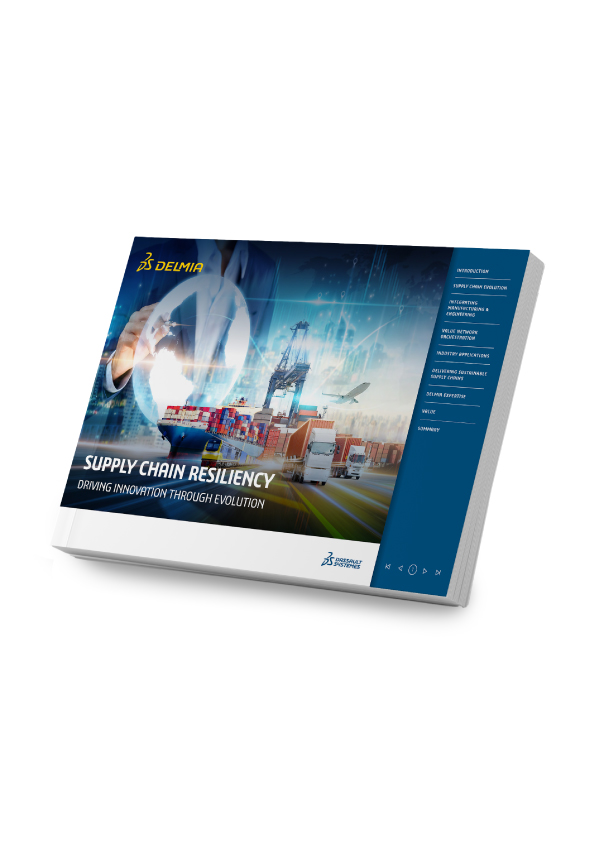
Supply Chain Resiliency
Ongoing disruption requires companies to make a fundamental shift in their supply chain strategy. What makes this transformation so difficult is that the scope of change required is extensive, involving many internal (and external) stakeholders, data and technology.
Explore More
Cargo Security and Asset Protection: A Layered Approach
Technological advancements like RFID and GPS have revolutionized supply chain management, providing visibility and rapid response capabilities, but also increasing risks such as cyber threats. A combination of physical barriers, technological solutions, and procedural controls creates redundancies that enhance resilience...
Explore More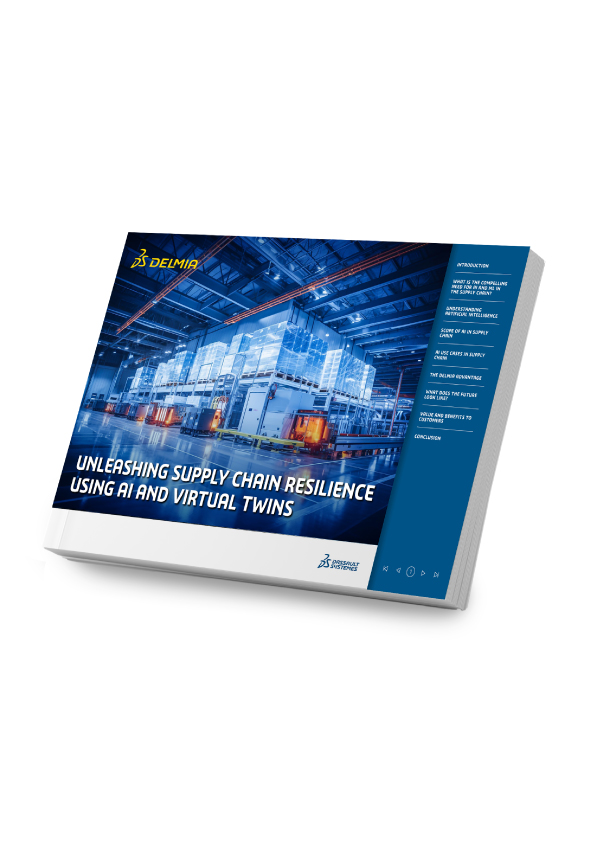
Unleashing Supply Chain Resilience Using AI and Virtual Twin
Managing a supply chain is a complex task which has only grown more intricate in recent years due to globalization, a volatile geo-political landscape, technological advancements, and the increasing demands of consumers.
Explore More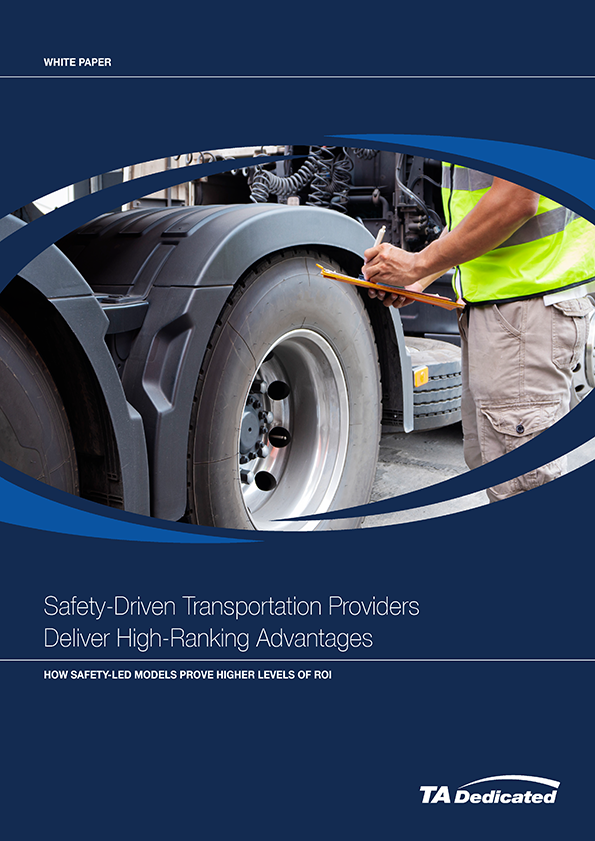
Safety-Driven Transportation Providers Provide High-Ranking Advantages
Safety-driven cultures protect drivers, employees, public motorists, and overall freight commodities. Using a safety focused transportation service grounded in well-being and risk management can deliver incentives and wide-ranging benefits.
Explore More
Making Your Logistics Data Actionable Doesn’t Have to Be a Pain
In today’s fast-paced logistics landscape, actionable data is critical to meet the demands of consumers’ expectations. Navigating the complexities of data management amid labor shortages, volatility, and evolving consumer behavior poses significant challenges.
Explore More
Eliminating Modern Slavery in Global Supply Chains
The problem of modern slavery — coercing labor from ethnic minorities and economically disadvantaged adults and children — has lurked in global supply chains for decades. But trade laws in recent years have made it crucial for businesses to address this risk now in their supply chains — or face serious consequences.
Explore More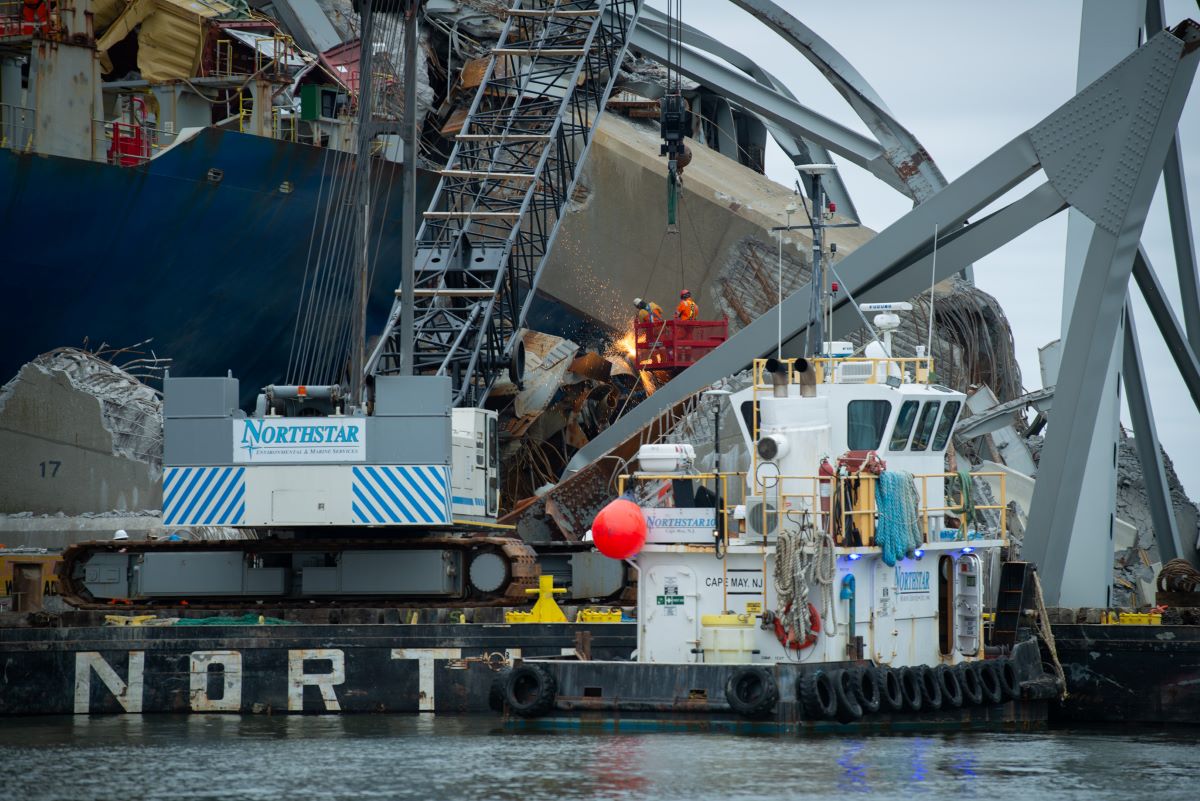
Controlled Explosions Used to Demolish Baltimore Bridge
Baltimore Port officials said they hoped to move the Dali within two days.
Explore More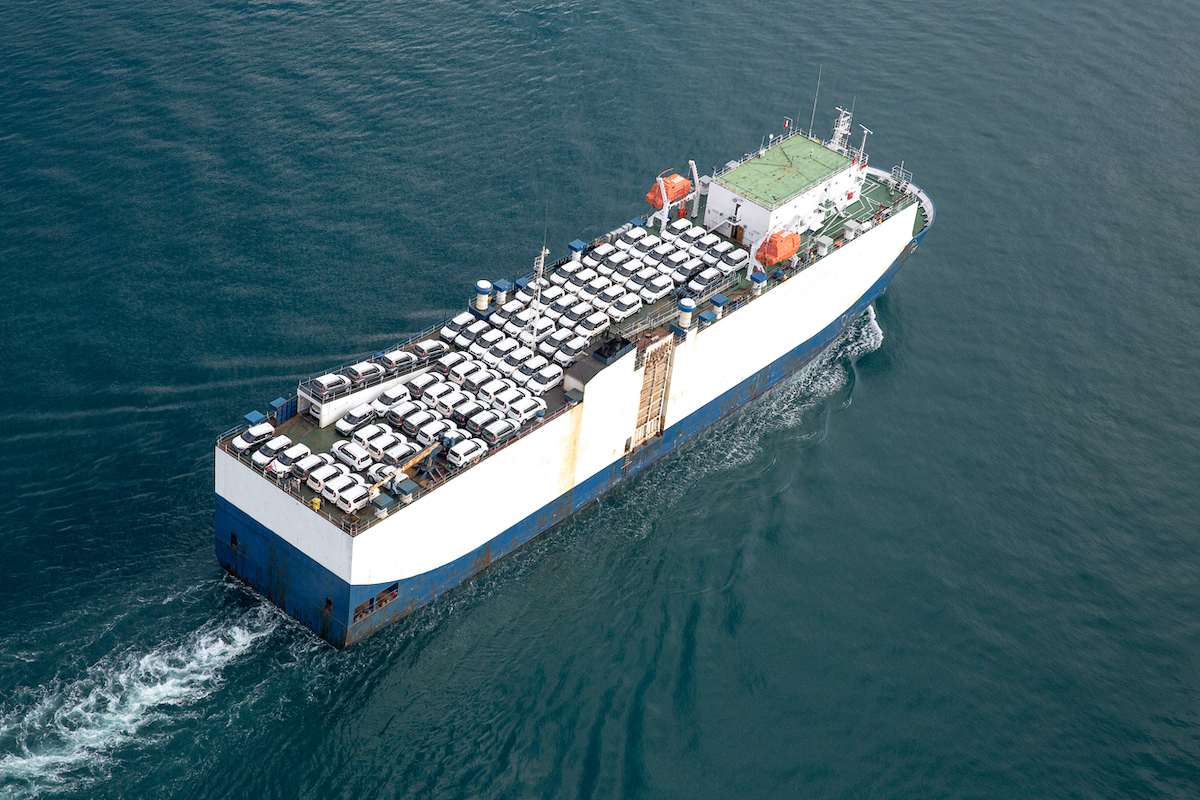
U.S. Supply Chain Activity Slows in April Amid Mix of Factors
According to S&P Global, seaborne containerized freight imports into the U.S. rose by 8% year-over-year in April.
Explore More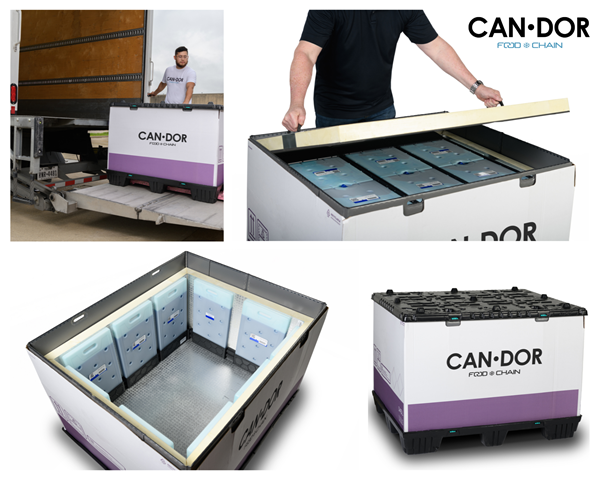
Candor Introduces Reusable Cold Packaging for Shipments
The company says that, by consolidating deliveries of perishable and dry goods in one truck, food manufacturers, distributors and retailers can eliminate the costs of multiple deliveries.
Explore More
The Role of AI in Logistics: Getting Beyond Hope and Hype
The actual experience of many logistics and other business executives suggests that artificial intelligence remains more a subject of hope and hype than a practical tool in everyday use.
Explore More