Archive by Category Shipment Solutions

How Connectivity and Automation Can Revolutionize Smart Logistics
As micro-fulfillment centers implement a mixture of systems and services to perform the last mile of the fulfillment process, a lack of reliable connectivity could hinder their performance.
Explore More
A U.S. Air Force Base Automates and Streamlines Asset Tracking
The automation of munitions management and logistics operations at a U.S. Air Force base, in partnership with SEE ID, saved some 250 man-hours per week, while improving operational readiness.
Explore More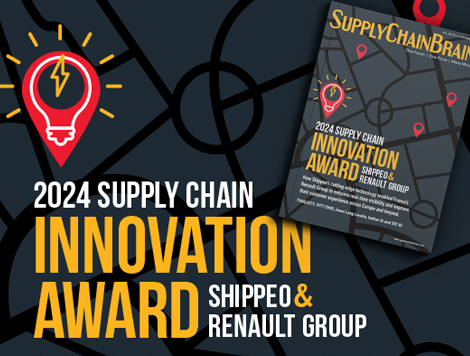
Supply Chain Innovation 2024: A Formula for Thriving in the Age of Disruption
We congratulate the winner and finalists of this year’s Supply Chain Innovation Award competition, and trust that their examples will motivate others to seek out new ideas and solutions.
Explore More
Strike at U.S. Ports Brought Debate Over Automation Front and Center
The brief strike by East and Gulf Coast dockworkers brought to the fore the ongoing controversy about automation at U.S. ports, and its ultimate impact on human workers.
Explore More
New Offer from Boeing Endorsed by Union, Awaiting Vote
The union had previously called for a 40% pay increase and workers have rejected two previous offers.
Explore More
Warehouse Challenges? Automation Can Help
Advanced technologies such as automated storage and retrieval systems (ASRS) allow warehousing operations to eliminate employee dead time, blend B2B and B2C fulfillment workflows, retain employees, reduce inefficiencies, increase throughput, and maximize space utilization. How? Read on to find out.
Explore More
5 Ways to Squeeze More Efficiency From Your Current Fulfillment Facility
Experts from leading global technology companies come together to advise on how order fulfillment facilities can use new kinds of technology to avoid the need to move or expand on existing facilities.
Explore More
Boosting Efficiency and Customer Satisfaction: Five Reasons to Use Retail Consolidation
Read this report to find out five important reasons to incorporate retail consolidation into your transportation strategy.
Explore More
Safeguarding Your Business: 5 Insights You Can’t Ignore to Protect Shipments from Cargo Theft
This white paper presents five essential insights for shippers regarding cargo theft, shedding light on current trends in the U.S. and outlining the most common modus operandi used by these criminal networks.
Explore More
Factoring Carbon Dioxide Emissions in Transportation
Regulations, customer expectations, and companies’ sustainability objectives will be the driving force for CO2 emissions tracking and reporting. Discover more about the importance of sustainable transportation practices and how to meet the ever-evolving requirements.
Explore More